

Last month I headed into the garden determined to bring my wayward rose bushes under control before winter arrived. Many were out of control with long, floppy stems, waving around in the wind like they had a mind of their own. I was late in getting started with this job, it should have been dealt with weeks before but they still had to be tamed as winter damage to the stems could result in damage to the whole plant.
It was a chilly, but sunny morning, and the sun was in my eyes. Mostly I was looking downwards and I didn’t notice, until I lifted my head, that I was cutting off stems with gorgeous big, fat, rose hips. Oh dear.
One stem complete with hips, remained. I left it intact, though I thought some other stems might produce a few more. I was suitably annoyed with myself for being so careless and apologised profusely to the garden birds. As a way of apology, I put out some extra fat balls and peanuts. Meantime, they have plenty of berries and crab apples to munch on and other rose bushes are forming hips too.

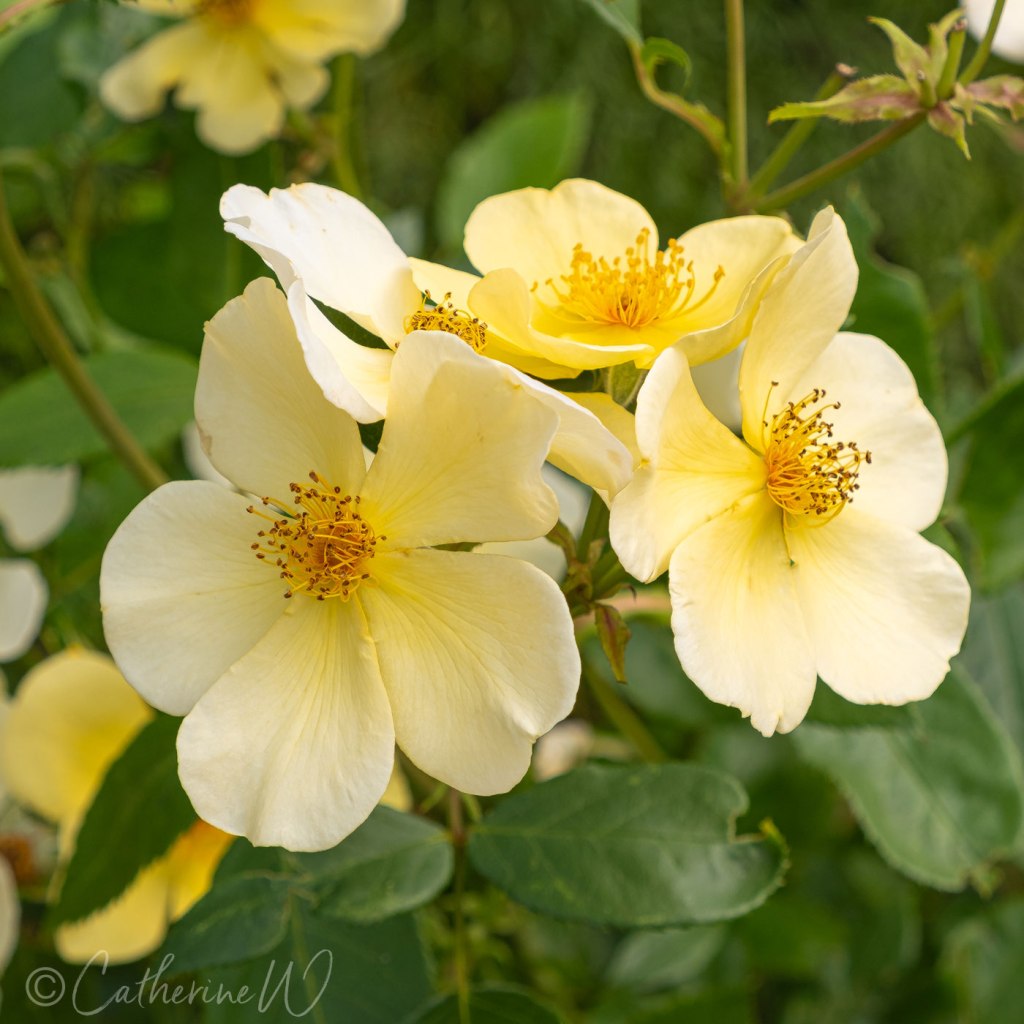
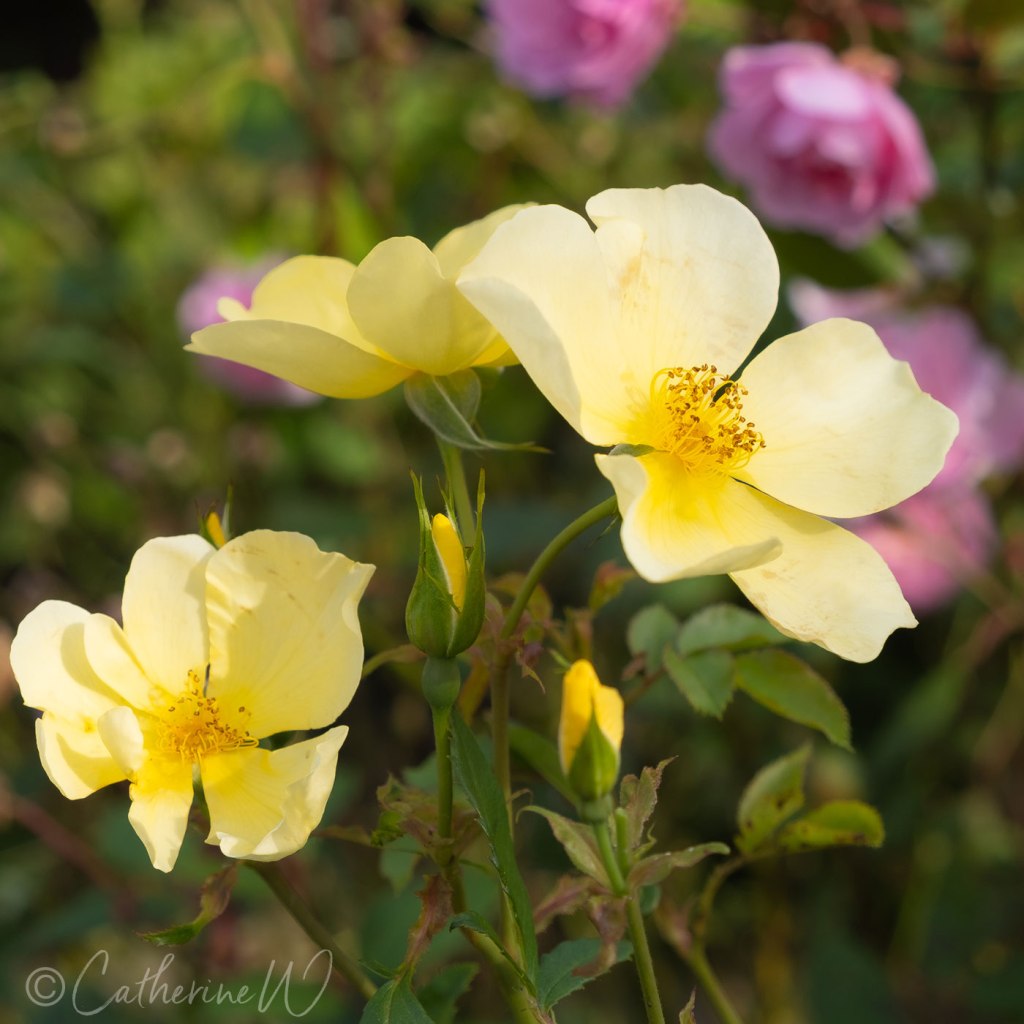
If you happen to be wondering which rose the hips are from, it’s Rosa ‘Tottering-by-Gently’ from David Austin.

The hips brought back long-forgotten memories from when my children were just babies – a time when it appeared to be almost compulsory to give your tiny bundles of joy (and hard work) daily spoonfuls of rosehip syrup. I didn’t stop to question the practice because my mum had told me that she gave it to me and my siblings, as it was full of vitamin C.
But now that the topic of rosehips had entered my mind, I had to, right there and then, visit Google to refresh almost forgotten memories. I was amazed when I realised how little I knew about the hips that so many of our gorgeous roses produce.
The following is courtesy of The Woodland Trust
A brief history of rosehip syrup
“During the war, government scientists realised that, weight for weight, rosehips have over 20 times the vitamin C of oranges. So the Ministry of Food recommended rosehip syrup and a generation of children began receiving a daily dose.
During World War II, a national week for the collection of rosehips was established in late September. Scouts, guides and other groups would head out to harvest the nation’s hedgerows. In 1941 this produced a 200 ton haul of hips which made 600,000 bottles of commercially produced syrup!
With the growing popularity of foraging, the vitamin saviour of World War II has been making a welcome comeback.
As well as vitamin C, rosehips are a great source of vitamin A, D and E. They contain an anti-inflammatory and have been shown to help relieve the symptoms of arthritis.“
What I’ve remembered
The brand that we used was called Delrosa, although it is no longer available in the UK. It was supplied free of charge by NHS baby clinics throughout the UK after the war. I don’t know when that free service came to an end, but I recall buying it from our local chemist shop for my own children in the ’70’s.
Did you know?
Just an extra snippet, if you’re still with me at this point. You might be vaguely interested to know that early Christians considered rose hips to be sacred, and crafted the first rosary beads from rose hips.
I was pleasantly surprised to discover the wonders of rosehips when I accidentally snipped them in the garden and it has deepened my appreciation of roses.


I knew about the healing qualities of hips. But thanks for the reminder.
LikeLiked by 1 person
Reminders never go wrong, Rosie – especially at my age when I need them all the time. 😆
LikeLiked by 1 person
I’m sure that the birds will forgive you. I remember having rosehip syrup vividly as a child Cathy along with cod liver oil 😂 The hips are quite beautiful in their own right and vary so much in size. I hope that you have a good Christmas and wish you happy gardening in the new year!
LikeLiked by 1 person
Oh, I was given cod liver oil too, Anna. It was the most awful liquid to swallow! I’d forgotten about that – but at least I didn’t subject my children to it!
Best wishes to you too for Christmas and all the best for 2024!
LikeLike
A lovely post Catherine. Your photos of ‘Tottering…’ are beautiful. I don’t grow roses, but imagine if I ever did then they would be yellow ones. We had loads of rosehips from our wild roses in the hedges this year, so I dried some for tea. In fact, a good reminder – I will have to make a pot of it tomorrow! 😃
LikeLiked by 1 person
Drying them for tea – that’s a good idea, Cathy. I hope you enjoy your homemade brew tomorrow! I hope you’ll suddenly decide to plant a rose or two one day. Or maybe a few more! They’re my must-have plant. 🌹
LikeLiked by 1 person
Well I’ve learnt something new today and I feel the need to go in search of some rosehip syrup. I don’t have one but Tottering by Gently is a such a lovely rose and a great name too. I’m sure my siblings and I used wild rosehips as itching powder when we were children!
LikeLiked by 1 person
I’ve heard of others using the hairs or seeds as itching powder. I can imagine you might have used it liberally. I remember going on walks with my parents and siblings and gathering petals from the wild roses to make ‘perfume’ with. We thought our perfume was wonderful! Great childhood memories! 😁
LikeLiked by 1 person